

The best roofing material for Australian homes isn’t just a random preference: it’s a choice based on several factors. The latter matters a lot, heavily affecting the effective performance and long-term value of your soon-to-be upgraded roofing system. Although both tiles and Colorbond can come in handy, personalisation is the answer. A deeper insight into how they operate will prevent you from any beginner mistakes and help you set a strong protection layer for your house.
The weight, upkeep, weather performance, and looks of the two are the primary comparative aspects that will be covered in this article. Let’s roll straight into this topic!
Choosing the Right Roof: Why It Matters More Than You Think
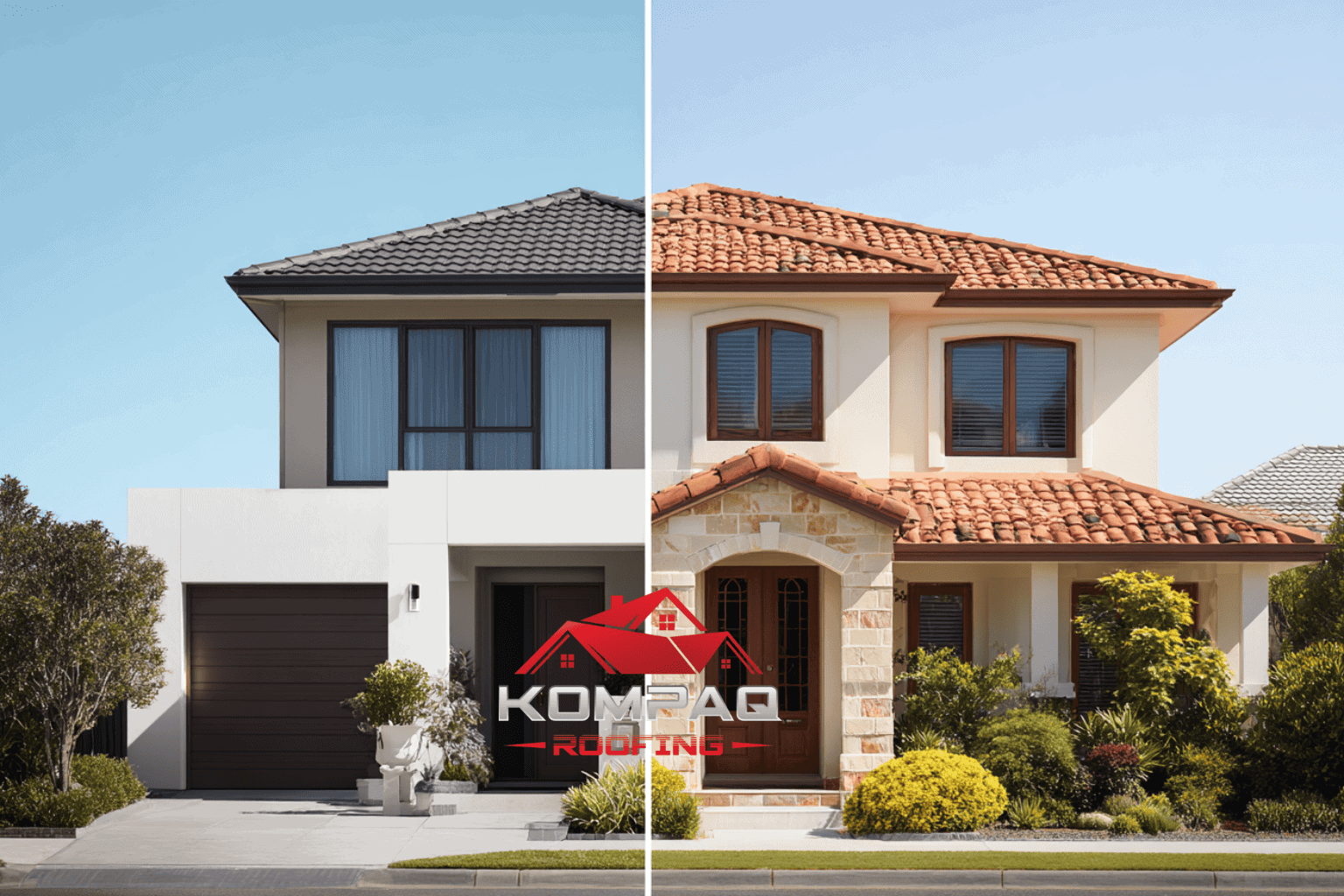
The type of roofing South Australia is more impactful than it might seem at first, affecting the resale value of the property, energy bills, and expenditures to maintain it properly. The local climate can be extreme, which requires the target solution to cater to a wider range of qualifications to be a suitable and effective solution:
- Safeguards against high UV exposure, heatwaves, storms, and other weather conditions;
- Affects structural load and engineering requirements;
- Impacts insurance premiums and bushfire compliance;
- Plays a role in street appeal, etc.
Your roofing system should be capable of withstanding various Australian climate changes and factors, with minimised risks of material aging accelerated tempors and corrosion risks.
Understanding Your Options: Colorbond and Roof Tiles Explained
Here is how you can briefly describe these popular solutions:
- Colorbond roof — it’s pre-painted, zinc-aluminium coated steel designed for Australian conditions. Manufactured in sheets or profiles, it’s installed with screw-fixed systems.
- Tiles — made of concrete or terracotta, these units are laid individually in the system. While concrete tiles are affordable, heavy, and colour-coated, the alternative option is clay-based and colour-through for a premium look.
A roof isn’t just a covering — it’s a long-term system choice that shapes how your home performs for decades. Colorbond is a common deal for coastal homes, modern builds, re-roofing projects, or properties in bushfire zones. If you are an owner of a suburban estate, a heritage residence, or require a more soundproofing option without special upgrades, tiles can be rather empowering.
Aesthetic Appeal: How They Look on Different Home Styles
If nothing stops you from a legal standpoint, you are free to make your own choice:
- Colorbond is often perfect for Australian architectural, modern, and minimalist projects. A tile roof is a premium-class instrument to elevate the aesthetic potential of your classic suburban or Mediterranean property.
- The variety of colours is a valid deal-breaker, where Colorbond is an absolute winner. It’s also compatible with a wide range of finishes and coatings. Tiles have a restricted spectrum of tones to choose from, but their texture may seem more appealing and diverse to interested parties.
Get inspired by the appeal of your neighbourhood. Take notes based on the suburban character to modernise your project with essential insights in mind.
Durability and Lifespan
It’s not just about how quality the target solution is — it’s more about how it behaves under real Australian conditions. Let’s be more precise:
- Colorbond can resist corrosion, increasing its long-term value, thanks to the use of special protective coatings. They are also very good at protecting the system from UV light, heat, and wind. In general, forty to seventy years of excellent performance are anticipated (with tailored care, of course).
- In order to maintain the layout’s aesthetic efficiency, you might need fixing touch-ups. Concrete tiles aren’t so prone to occasional damage, but they age a bit faster in comparison with terracotta alternatives.
If you aren’t against regular upkeep, tiles can work. Still, Colorbond are naturally more suitable for extreme climates, outperforming other materials with ease.
Weather Resistance and Climate Suitability
Evidence demonstrates that Colorbond is a better choice to survive local climate fluctuations, withstanding cyclones, strong winds, and so on:
- This material meets BAL requirements more easily.
- Such solutions can come with a marine-grade coating for homes located in coastal areas.
- It can be improved with corrosion-resistant coatings while maintaining top-notch engineering.
Colorbond is better suited for high-risk locations with several climate fluctuations. It’s a say-yes-to option if you want a more reliable and efficient performance in Australia’s constantly shifting weather conditions.
Maintenance Needs: Which Is Easier to Care for?
Colorbond roofing Australia typically requires minimal repairs and occasional washing. However, you should inspect its fasteners and flashings regularly to ensure its top-tier performance even during storms and other weather hazards. Tiles will require more time and dedication; pay closer attention to debris and get rid of moss to preserve their functional profile for as long as possible. Individual tile replacement may be required, too.
If you are interested in a roofing system that can serve your needs without too much upkeep, Colorbond is the answer. While tiles can add more visual richness to your property, they are also more demanding — not your “set and forget” roof.
Weight and Structural Impact on Your Home
Don’t overlook this parameter — the system’s weight affects the project’s engineering tactics, installation and upkeep costs, and renovation feasibility. For a light roof light, consider Colorbond, as both concrete and terracotta tiles are significantly heavier.
New buildings will require heavier framing for tiles. If you are up for another renovation, a tile-to-Colorbond transition can reduce the load. Older homes, however, may not support tile-forward installations without additional upgrades. Opting for lighter roofs like Colorbond in Australia also allows for easier insulation projects, with reduced structural stress over time.
Installation Process and Time
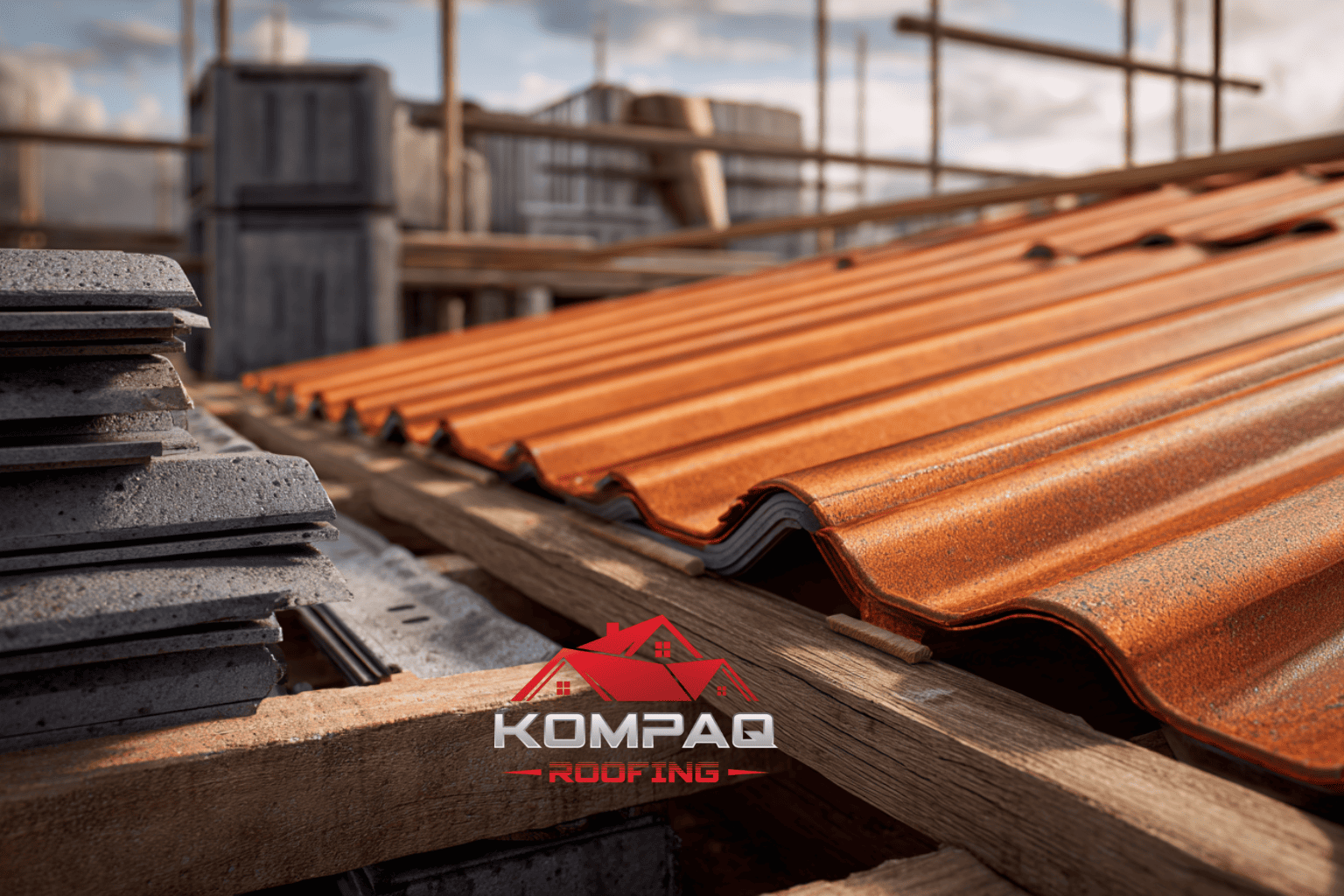
With professional assistance from seasoned teams like Kompaq Roofing, you won’t need to trouble yourself with project adjustments caused by Colorbond vs tile roof considerations. In practice, Colorbond allows for faster execution, while the opposite is a more labour-intensive and time-consuming procedure. Given the rising popularity of Colorbond roofing systems, it will also be easier to book licensed teams for such projects — tile specialists may be limited in some areas.
Energy Efficiency and Insulation
The rule of thumb is simple: roofing alone doesn’t insulate, but it affects how insulation performs:
- Colorbond reflects heat with light colours, while tiles are prone to heat storage due to their increased weight in comparison.
- When upgraded with insulation, Colorbond roofs can improve the interior climate of your home in summer. Tiles can radiate all the stored heat into the house, increasing your energy bills along the way (a higher need for air cooling systems).
For better energy outcomes and safer operations, take care of sarking under the roofing system first.
Noise Levels: Rain, Hail, and Everyday Sound
The sound of raindrops on the roof may seem romantic at first, until you need to listen to constant drum-like sounds during storms and heavy winds. Insulation can help you reduce the level of noise, whether you prefer a tile roof vs Colorbond or vice versa. Without any additional upgrades, tiles naturally dampen sounds. Quality sarking, acousting insulation, and proper installation are the key mechanisms to prevent any issues and ensure the right performance of the system at hand.
Cost Comparison: Upfront and Long-Term
Aussies shouldn’t just pay attention to how much money they require upfront: it may lead to the wrong perception of metal vs tile roof Australia. Take into account how maintenance and fixtures will influence the long-term cost efficiency of the target project.
If you are tight on budget, Colorbond roofs may be the answer, delivering a better long-term value to the system. However, their use may be restricted in certain areas, given the need to keep up with the appeal of heritage homes. Otherwise, the total ownership cost favours Colorbond in most scenarios.
Common Myths and Misconceptions
Don’t fall into the trap of outdated beliefs — get to know more about Colorbond and tile roofing systems to make the right choice for your needs:
- Colorbond is noisy — this misconception is a tricky one as it’s typically caused by installation issues rather than the flaws of the material itself. Insulation can fix it, too.
- Tiles always last longer — it’s an out-of-the-context consideration that can cost you comfort in your Australian house. Colorbond will be more effective for more challenging weather conditions in the area.
- Steel roofs rust — metal roofs are more vulnerable to ever-changing weather conditions, especially when it comes to zones with high humidity. However, modern coatings can drastically minimise the risks.
Market research and in-depth comparisons of available materials should be a must for any roofing upgrade plan. That’s how you prevent expensive mistakes due to stereotypical bias.
Expert Insights from Kompaq Roofing
As a seasoned team in Australia, we make sure our experience translates to lasting results and tailored recommendations. Here is what we recommend:
- Colorbond can be your all-in-one solution — we will ensure its proper installation and provide maintenance tips for beginners.
- It’s the most required option, especially for coastal, windy, or bushfire zones. That’s a truly dominant force in the market.
Our specialists have completed several successful tile-to-Colorbond conversions. Contact our experts for your tailored, long-term roofing performance upgrade.
Personalise your strategy by considering what needs you would like to meet the most. Colorbond is more universal and suits multiple budgets, but it doesn’t mean that tiles should be excluded from your choice list once and for all — they are great for creating a traditional look of the property, ensuring its acoustic comfort. For greater versatility and efficiency across several use scenarios, Colorbond can be a real powerhouse. The next step is simple: contact Kompaq Roofing for a free consultation and expert, site-specific advice.
FAQs
Is Colorbond cheaper than tiles in Australia?
Although the exact price will vary, depending on the project complexity and region, it’s typically so — Colorbond is usually a more cost-effective solution for Aussies to consider.
Which roof type is better for high winds or storms?
Colorbond typically stands out in this regard because it’s lightweight, strong, and engineered for cyclonic and wind ratings. In comparison, tiles can also be rated, but they require special fixing and may crack or lift in the worst-case scenario.
Do Colorbond roofs fade over time?
Yes, they do. Strong, multi-year exposure to strong UV rays is to blame. The use of modern coatings comes in handy, ensuring your roofing system retains its colour well for decades.
Can you replace tile with Colorbond on an existing home?
It’s possible, but it often requires full removal of tiles, possible structural and tie-down adjustments, and (in certain areas) permits due to wind uplift differences.
What’s the maintenance like for both options?
Occasional upkeep for Colobond systems boils down to inspection to detect any need for minor fixings and clean-ups. Tiles can be damaged over time, hence the need for individual piece replacement. The need for cleaning is more urgent — get rid of all the debris to keep its visual aesthetics at an A+ level.