
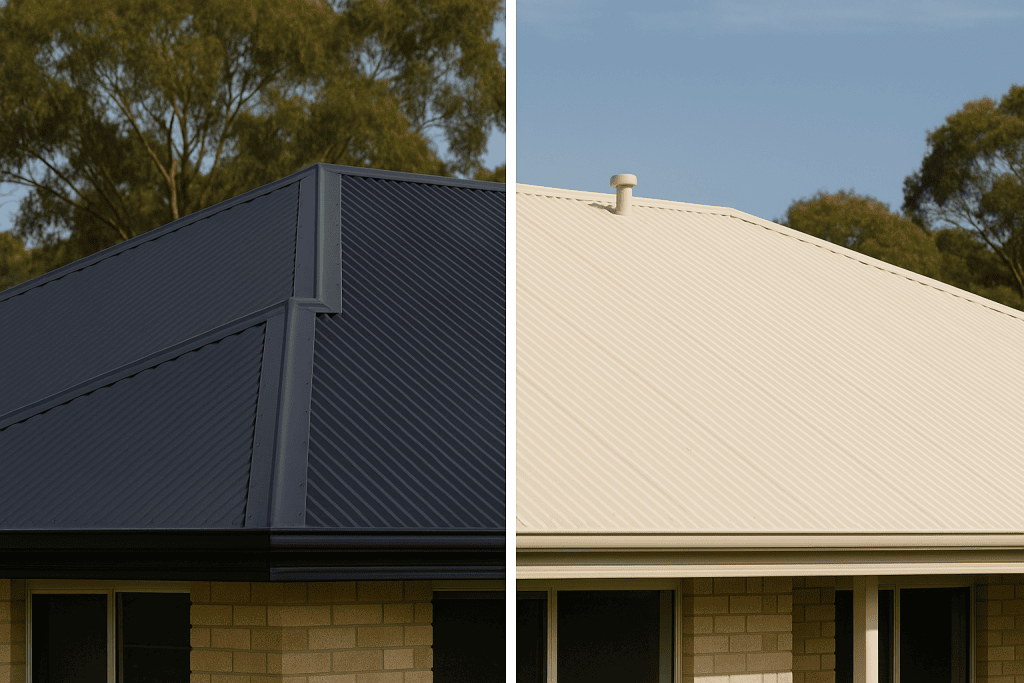
It’s more than just talking about your preference — it’s all about maintaining the thermal balance in your house and boosting its overall efficiency. Understanding the difference between dark roof vs light roof designs lets you adapt to the local climate in the region. Heat reflection properties are among the must-have parameters for any project in Adelaide, considering how dry, hot, and long the summer seasons are here.
How Roof Colour Affects Temperature
As the story goes, your choice depends on balancing seasonal comfort needs and individual preferences in the matter. While light coloured roof tiles may seem like the best option by default, the right tactics can minimize the negative impact of higher heat absorption in cases with dark-toned systems.
The Science Behind Heat Absorption
In a nutshell, the colour of your roof directly influences how much sunlight can be converted into heat:
- As evidence shows, the difference in indoor temperature may be from 2 to 5°C.
- Light roofs are better at keeping the surface cooler, while the alternative solution may get hot, and we truly mean it — up to 20-30°C, at that.
The same principle can be applied to your wardrobe during summer days — white vs. black clothing will make you feel the difference in person. The materials also matter — metal and tile roofing systems aren’t the same.
Solar Reflectance (Albedo) — How Much Sun Your Roof Bounces Back
This term defines a measurement of a surface’s reflectivity. The system that excels in this regard has a higher albedo, in turn. High UV index in the region increases the value of this parameter.
For energy efficiency purposes, light-coloured roofs are usually recommended. With reflective coatings, it is also possible to improve the target surface’s albedo.
Solar Reflectance and Thermal Emittance Explained
Meanwhile, thermal emittance signals the surface’s capability to release the absorbed heat over time, namely, telling you how long it takes for it to cool down. A great balance between these two parameters is what can elevate the quality of your roofing in Adelaide.
As a rule, light roofs do well either way. The dark-toned systems may have low reflectance but still release heat slowly. The use of special coatings is a crucial factor that will help you improve your roofing’s performance overall.
Thermal Mass and Heat Capacity — Why Some Roofs Stay Hot Longer
This aspect is why the choice of the right material for your roof is especially critical for homeowners in Adelaide — it defines how much heat can be stored within the system by default:
- Metal roofs do absorb heat quickly, but they release it when shaded fast, too.
- On the other hand, people tend to overlook how much heat can be absorbed by concrete and tiles. What’s more, their thermal emittance is slower.
Tailored insulation techniques will let you optimize the functionality of the target system and increase the level of comfort indoors.
Adelaide’s Climate and Why Roof Colour Matters
There is no secret about how hot summers can be in the region — strong UV and temperatures going up to 35°C and higher. With a smart choice of your roofing system’s color and additional parameters, you can ensure your property stays cooler even during heatwaves. The local climate is also pretty dry, so the number of cloudy days is lower in comparison with other states.
Dark Roofs: Pros and Cons
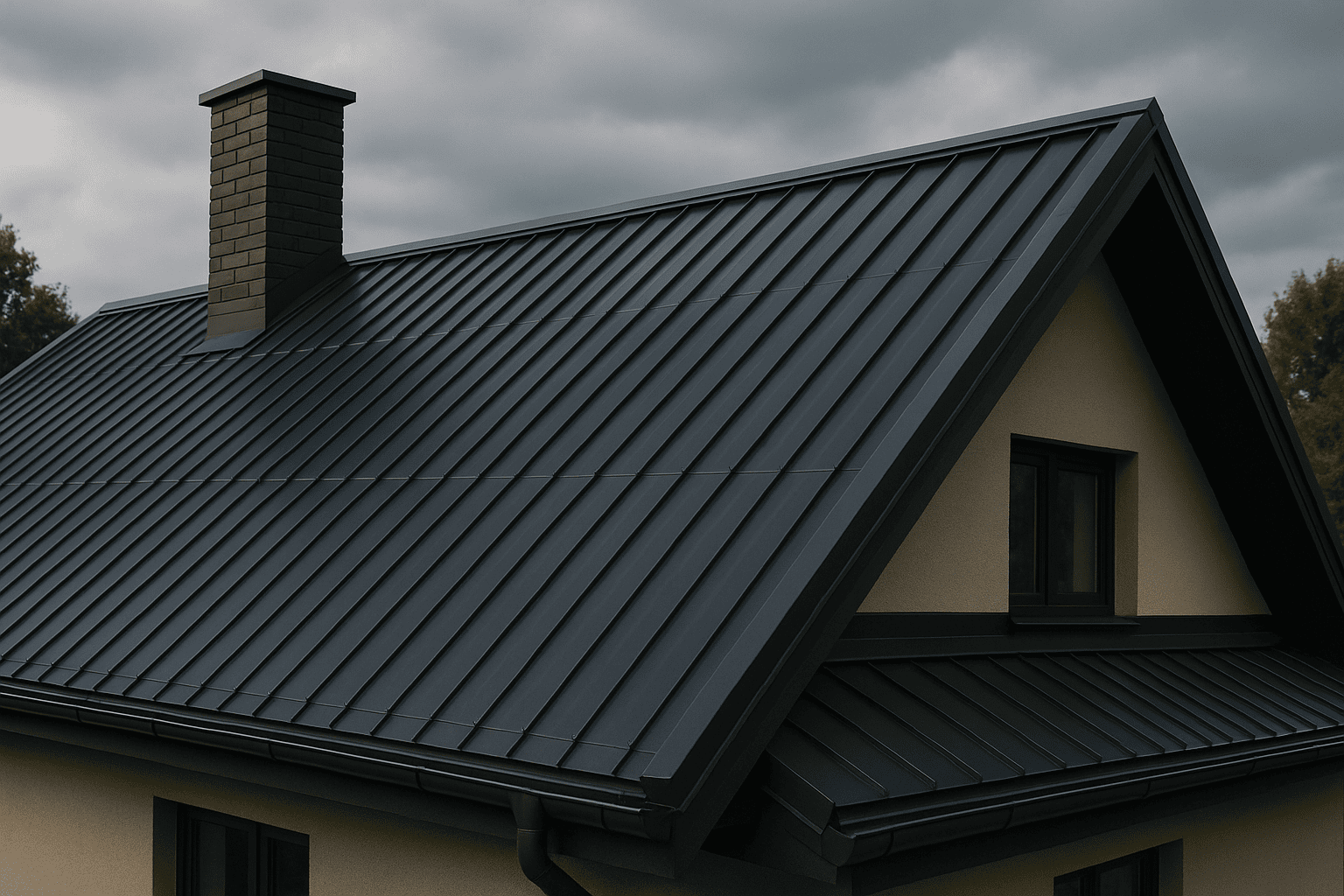
Living in Adelaide may limit your freedom in choosing the best colour for your roof — black roofs aren’t something really exciting for people living here, especially considering how much hotter it makes the inside of the house. Nonetheless, it doesn’t mean all dark tones are out of your reach.
Benefits of Dark-Coloured Roofs
Here are some of the reasons to say “yes” to this option:
- The appearance of such systems can be truly unbeatable — sleek, modern, and stylish.
- They also complement the outer design of the house really well, especially when it relates to properties made of brown or red brick.
- Your maintenance routine may be somewhat easier, since they don’t vividly show stains and dirt like light roofs do.
- If you fancy traditional neighbourhood styles, they will also work.
Drawbacks of Dark Roofs in Adelaide
They aren’t your average one-size-fits-all solution:
- One of the most crucial disadvantages is how such systems accelerate material again under higher UV pressure.
- It is not just about higher heat absorption — bills for cooling systems will get higher, too.
Why do dark surfaces absorb more radiation? That’s how their science works. With reflective paints and coatings, however, it’s possible to make them function better for the Adelaide climate’s needs.
Light Roofs: Pros and Cons
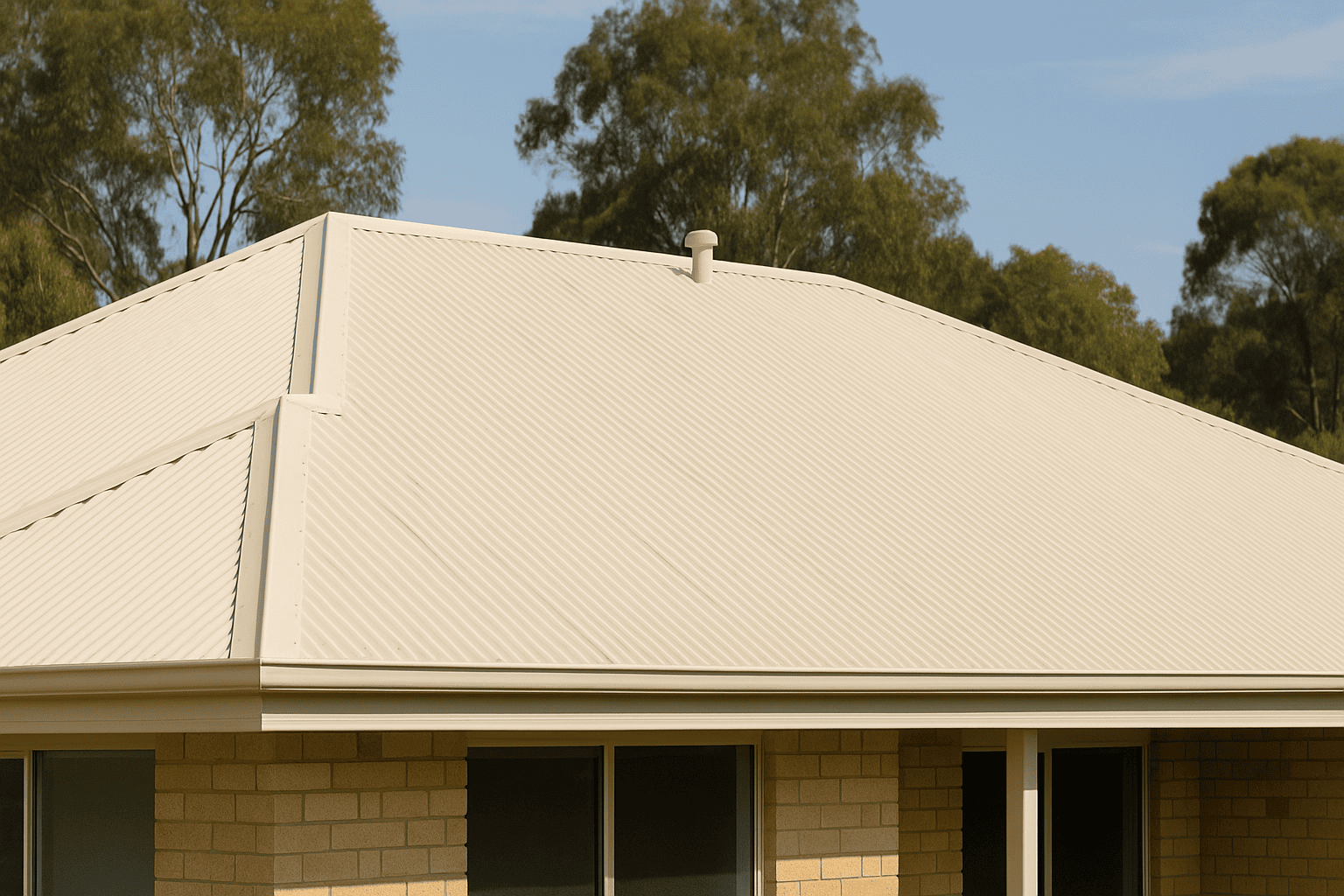
For the Adelaide climate, light roof colours are considered a better option in general. Let’s see how exactly they benefit homeowners in the region. Onwards!
Advantages of Light Roofs
Without any further ado, let’s walk you through the pros of utilizing a light coloured roof:
- Your reliance on cooling systems won’t be that drastic, thanks to the natural properties of light-tinted roofing systems, namely, effective sunlight reflection and heat gain reduction.
- Aside from a better energy-efficiency rating, they also work well with solar panels.
- They are a smart move for owners of residential and commercial property in Adelaide, interested in improving indoor comfort as naturally as possible.
Downsides of Light Roofs
They aren’t perfect for all needs and tasks. Here are some instances when light roofs don’t do their best:
- They tend to look less bold, especially on modern buildings.
- During winter nights, they may be less effective in retaining heat.
- They require regular cleaning and recoating. When compared with dark roofs, these show stains, bird droppings, and other forms of dirt on the surface quickly.
- Since they are so good at reflecting heat, they may cause sun glare. It might not be a really pleasant experience in open yards.
- Under the bright sun in the region, they may seem washed out.
Energy Efficiency and Cost Savings
Roof colour plays into overall energy ratings — take it into account when planning cool roof restoration. In practice, a lower cooling load means a smaller AC system size can be enough, reducing your bills overall. A reflective metal roof helps here too — see the full benefits of a metal roof for energy efficiency and durability.
Roof Materials That Complement Colour Choices
You shouldn’t focus on roof light colours alone. Pay closer attention to how the same shade can look across several materials and finishes. To see how the two main options stack up, check our guide with Colorbond and roof tiles compared on cost, durability and upkeep.
Best Roofing Materials for Light Colours
Metal roof colours are extremely diverse, whether it relates to lighter or darker shades of beauty. Colorbond is one of the most popular choices in the region and stands out with its reflective technology. If you’re considering a fresh start, a professional Colorbond roof installation lets you pick the ideal colour and finish from scratch. For older roofs, beige and white coatings can be a worthwhile modification, boosting their performance.
Council Regulations and Neighbourhood Aesthetics
While you don’t have to apply for council approval to modernize your house’s roofing system in 100% of instances, a lot of cases require authorization before getting started. Neighbourhood design codes also influence the selection of tones you can consider.
Local Council Rules in Adelaide Metro and Regional SA
For heritage and metro areas, council regulations are definitely strict. While some council rules prioritize function and durability, others enforce precise aesthetic controls to stick to. Verify the planning requirements for the task so as not to fix your mistakes afterward.
Professional Recommendations
Given the ever-changing weather conditions in Adelaide, light roofs are the frontrunners of the list. Benefit from the multi-year experience of companies like Kompaq Roofing for tailored assistance. Schedule an individual consultation to explore potential adjustments for high-tier functionality and satisfaction.
What Roofing Experts in SA Suggest
Here are a few core insights that should be noted:
- For a hassle-free experience, choose high-albedo colours.
- Prioritize cooling efficiency with additional tools. For instance, select durable finishes that can handle aggressive UV exposure in Adelaide.
- To release trapped heat in the system, install ridge vents.
- Ceiling insulation and reflecting coatings can be magical when combined.
Considerations Before Making a Change
Re-roofing and repainting shouldn’t be taken lightly — check council regulations first. Here are a few more aspects to analyze;
- Define the overall state of your roofing system, whether it requires any additional repairs or should be replaced in general. Assess the potential cost of both projects.
- Evaluate the effectiveness of your house’s current insulation.
- Factor in maintenance and cleaning needs.
- Don’t forget about aligning the property’s exterior design and the colour of the roofing system.
Tips for Keeping Your Home Cooler Regardless of Roof Colour
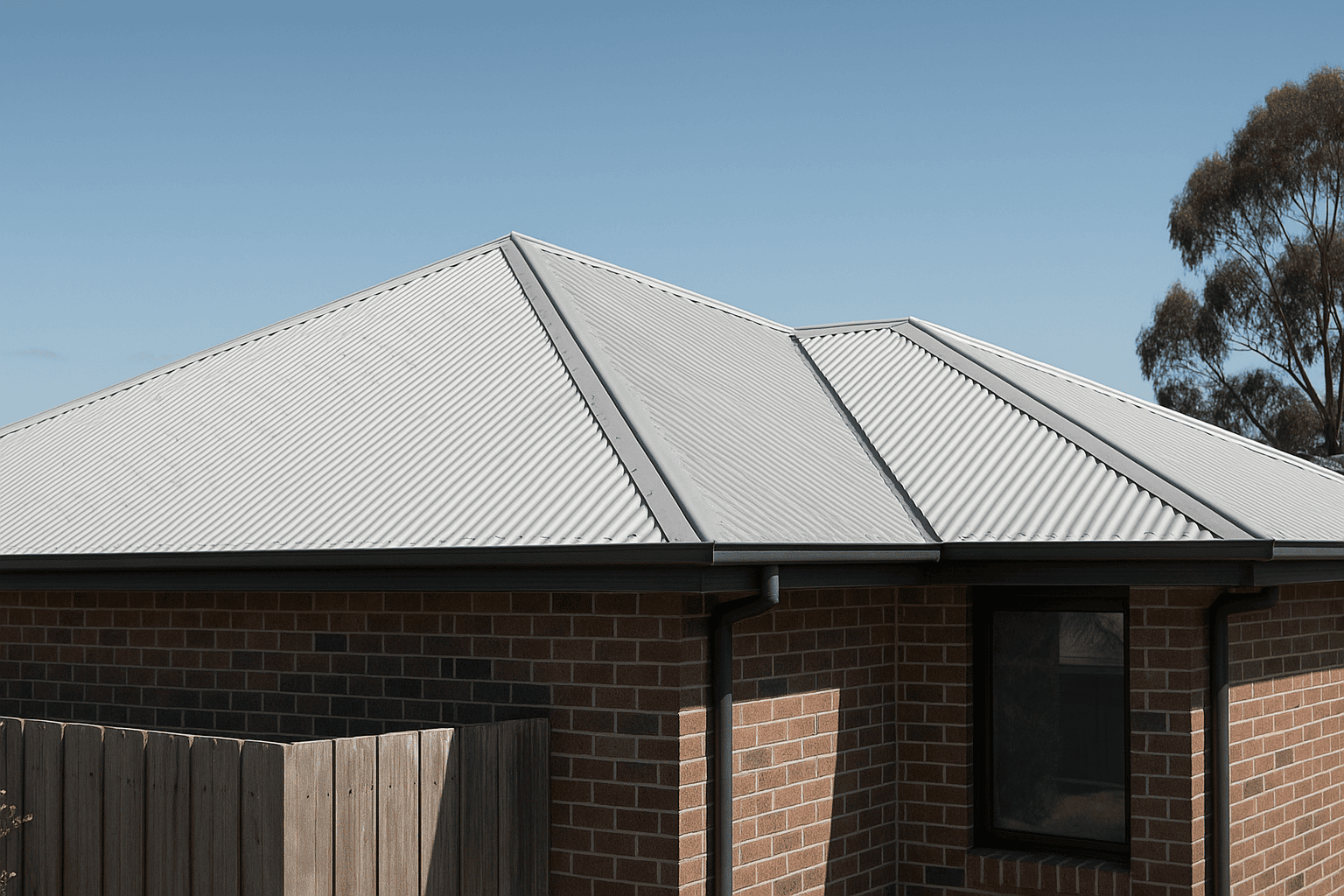
Despite the role this strategy plays in optimizing the efficiency of your roofing system, it is not the only thing that matters. If you overlook other performance-related aspects of the system, its ability to stay cool longer and release heat faster will be restricted.
Ventilation and Insulation
Proper insulation reduces heat transfer indoors, while the right ventilation matters for attic heat buildup prevention. Solar vents, ridge vents, or whirlybirds can elevate the value of the system. Light roofs are more forgiving of your mistakes here, but dark roofs demand higher insulation levels.
Using Roof Coatings and Reflective Paints
Boost the solar reflectance of the surface with reflective coatings. These techniques aren’t just for energy savings goals. They are perfect for extending the roof material’s lifespan, making it withstand the negative impact of exposure to UV rays better.
What’s Better for Adelaide Homes?
A reflective metal roof in beige or other light tones can be a nice choice. Accompanied by good insulation, it can offer excellent results for homeowners in Adelaide. Consider the ups and downs of choosing light vs. dark roofs and vice versa — work on the practical and aesthetic value of your property in a data-driven manner for maximum personalization and efficiency. If there are any questions left, schedule your online consultation with experts in the field.
Not sure which colour suits your home and Adelaide’s climate?
That’s exactly the kind of thing worth talking through before you commit. The Kompaq Roofing team can take a look at your roof and walk you through the options. No pressure, just a clear picture of what makes sense for your place.
Book a free roof checkFAQs
Can I change roof colour without replacing the roof?
Yes, in many cases you can recolour or recoat an existing roof without a full replacement. Just check whether your local council requires approval first, especially in heritage or metro zones.
Do solar panels work better with light roofs?
In reality, there is no big difference in how they operate on differently coloured roofing systems. With light roofs, the level of heat stress will be slightly reduced, though.
Is roof insulation still necessary with a light roof?
Yes. Good insulation protects the roof and helps it perform at its best, whatever colour you choose.
Will a light roof make winter heating more expensive in Adelaide?
A lot depends on the chosen material, the size of your roofing system, and other parameters. Given how mild winters are in Adelaide, the impact of light roofs is minimal in this regard.
Do I need council approval to change roof colour?
Council rules vary across Adelaide and regional SA, and heritage or some metro zones can be stricter. Always check with your local council before you start, so you don’t have to redo anything later.
How often should I clean or re-coat a light roof?
Ideally every few years, depending on how quickly dirt builds up and your local conditions. Roofs near trees, dust or the coast usually need it more often.
Why do dark surfaces absorb more heat than light ones?
From a scientific standpoint, dark colours absorb more wavelengths of light and convert them into heat, while light colours do the opposite and reflect most radiation.